By Menna Anteneh
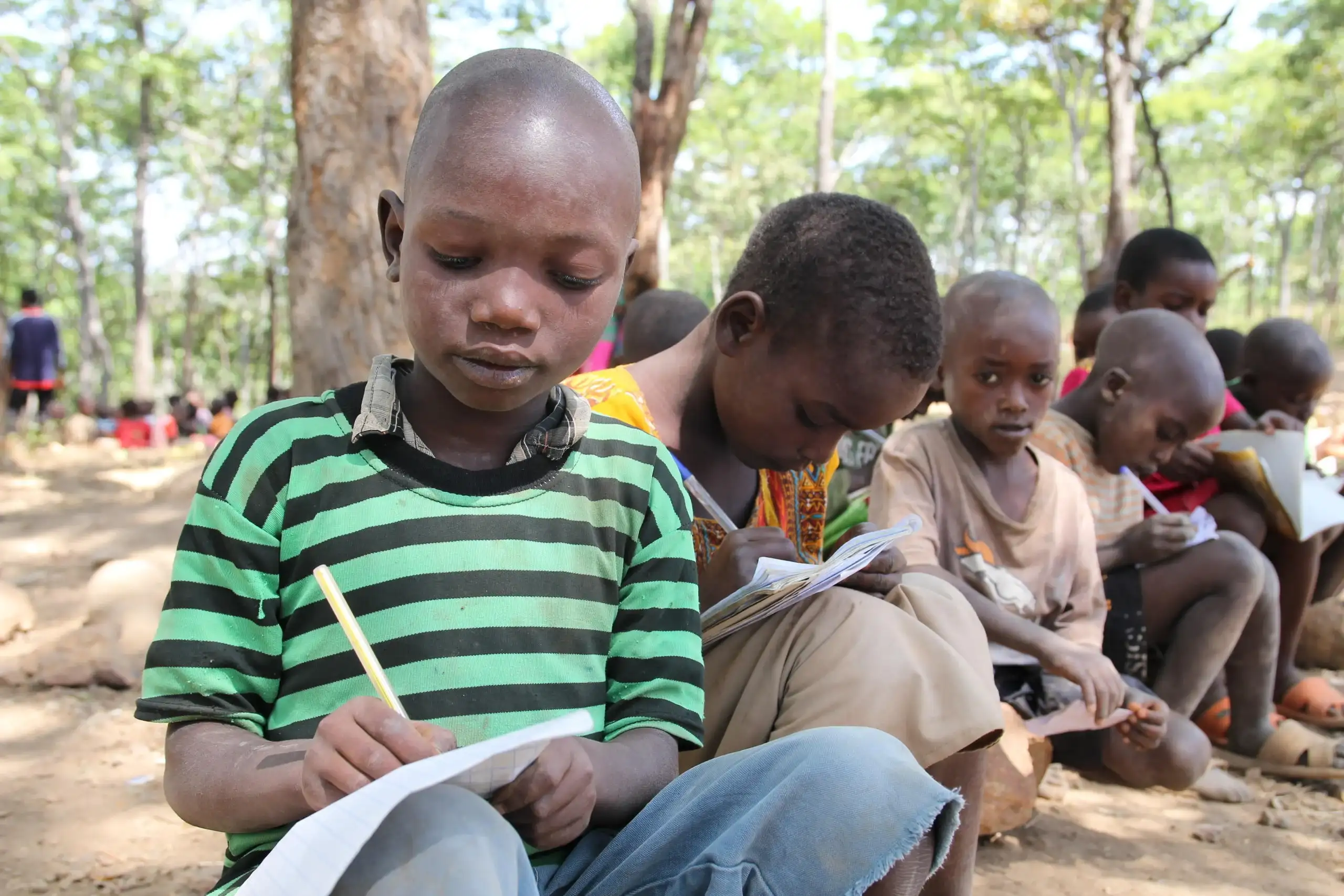
Education is one of the first casualties of armed conflict and one of the most important foundations for recovery. Across Africa, wars and insurgencies disrupt schooling, displace learners and teachers, destroy infrastructure, and deepen inequalities. The consequences extend far beyond the classroom, affecting economic development, social cohesion, peace building, and the prospects of future generations. Many schools are starting for the year of 2026/2027 in Africa. As students embark on their academic journey many share obstacles while others face closing of schools due to different circumstances.
Education is a basic human right; every child has to receive compulsory education for personal development. The United Nations Declaration on Human Rights (UDHR) has explicitly stated on Article 26 sub article (1) “ Everyone has the right to education” and further highlighting on sub article (2) the need of education for personal development and “strengthening respect for human right and freedom”. Then the question arises, why children and students being stripped of their basic human right are.
In Africa, many regions face closing of schools due to different circumstances. But a common denominator is shared among states: conflict. Africa is facing ongoing in all directions. In the neighboring country of Sudan, the civil war between SAF and RSF has resulted in the temporary closure of primary and secondary schools. In West Africa and Central Africa approximately 15,000 schools have been shut down. On September 2025, UNICEF reported that over 3 million children are victims of school closure. The statistics are showing that even though some regions experience relative progress, on a global and regional scale, the issue is worsening.
The prevalence of conflict in Africa has caused major disruption for the teaching learning process. Students have lost all hope and many are being recruited as child soldiers. Schools not only there to enrich children with knowledge but they are a means of protection as well. Children who stay in school will not risk hunger and violence but when schools are shut down children have no safe space and become vulnerable to different kinds of exploitation. Young girls are the most vulnerable group at times of conflict, closure of schools exposed them to gender based violence, increased child marriage and pregnancy. This hugely affects their mental and physical health also impacting the socioeconomic status of a nation for a long term.