BY FIRE MISGANAW
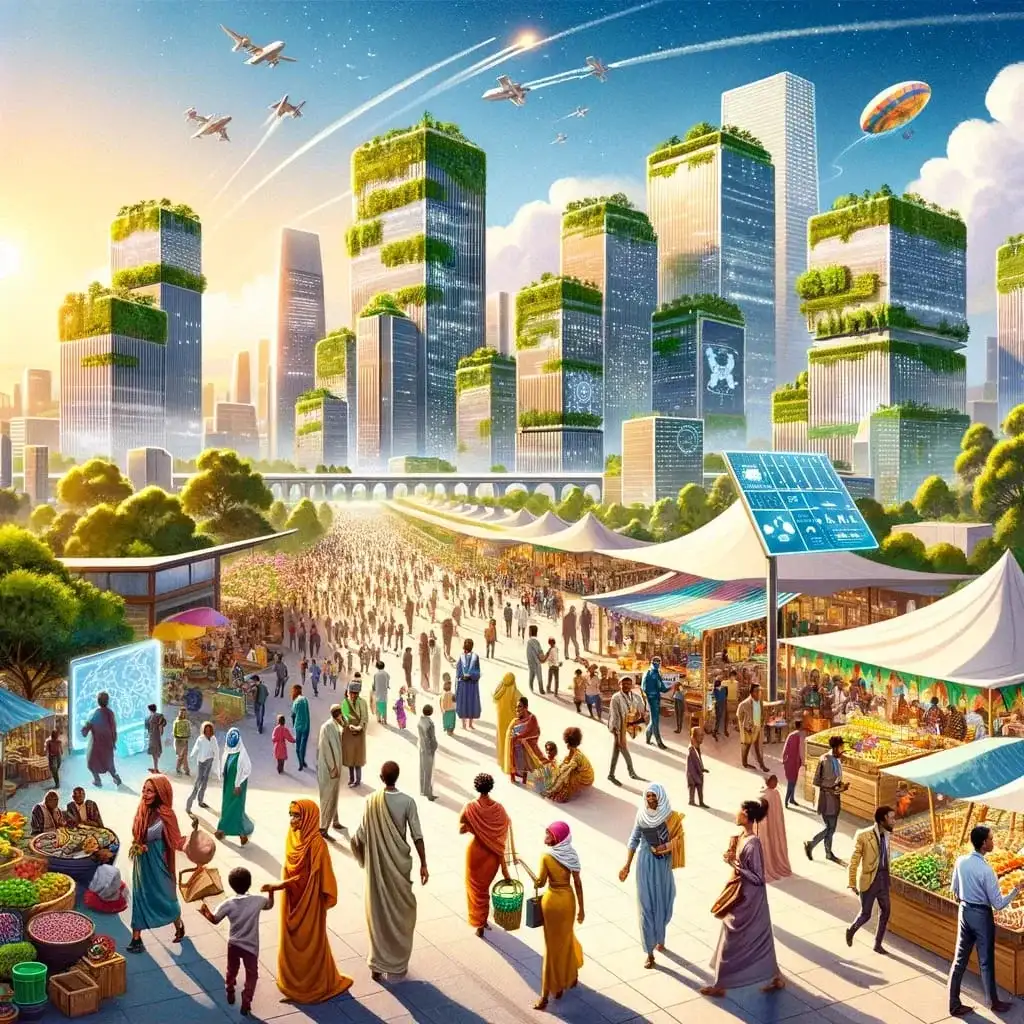
What comes to mind when you hear the country name ‘Ethiopia’? For Decades, Global media outlets and search engines have conditioned the world to associate Africa in general, and Ethiopia in particular, with a single, devastating image one that many assumed could never be changed. Yet, it’s changing. Armed with vast natural resources and a new sense of capacity, Ethiopians have begun actively working to dismantle the outdated narratives built around their nation. Ethiopia is no longer just surviving; it is rewriting its destiny. By achieving projects that seemed impossible in the past, and by pushing forward faster and smarter, the country has undergone tremendous changes over the last few years.
For the first time in its modern history, Ethiopia has broken its generational reliance on imported wheat. Through a massive expansion of dry-season irrigated wheat initiatives, the country expanded its cultivated land from roughly 350,000 hectares to over 1.3 million hectares within just a few seasons. Today, Ethiopia does not only produce enough wheat to feed its population of over 120 million, but it has officially transitioned into a net exporter, supplying grain to neighboring East African nations like Kenya and Djibouti. This is not just a repeated narrative or an easy success; it is a serious, long-term commitment toward reshaping the country’s future and acting as a role model for the rest of Africa.
Beside this agricultural feat, the Grand Ethiopian Renaissance Dam (GERD) is fueling more than just urban grids. Ethiopia is systematically linking its cheap, renewable hydropower to rural irrigation networks and newly built Integrated Agro-Industrial Parks (IAIPs). Recognizing that agricultural sovereignty is impossible without climate resilience, the country is heavily investing in nature preservation and climate change adaptation.
However, this newly found agricultural abundance and economic vitality face a significant logistical bottleneck: the lack of direct maritime access. To bridge this gap, Ethiopia is actively forging a deliberate, high-stakes diplomatic path to secure sovereign maritime access. Moving away from historical isolation, the country’s current foreign policy shifts toward proactive bilateral engagements and strategic economic concessions in the Horn of Africa. Regionally, a secure Ethiopian port would inject hyper-mobility into the African Continental Free Trade Area (AfCFTA), turning East Africa into a frictionless logistics hub that can seamlessly distribute food and clean energy across the continent.
Securing a reliable maritime gateway elevates Ethiopia from a localized success story into a cornerstone of international trade stability and continental resilience, acting as a vital catalyst for Africa's economic integration. Supporting Ethiopia’s quest for maritime access is a strategic investment in a prosperous Africa and a more secure, well-fed global economy. The development and true sovereignty of Africa should be a question of "when," not "if." To change a narrative that has persisted for decades, working from the root is the only way forward. Ultimately, Ethiopia’s next chapter is not just about changing its own story; it is about rewriting the economic blueprint of the entire Horn of Africa. By conquering generations of food insecurity through a quiet agricultural revolution and actively forging a diplomatic path to the sea, this historic nation is finally stepping into its rightful place as a sovereign global partner. Its Green Legacy plays key role towards materializing clean ecosystem to the current and upcoming Generation