
BY GOSHU MELISEW
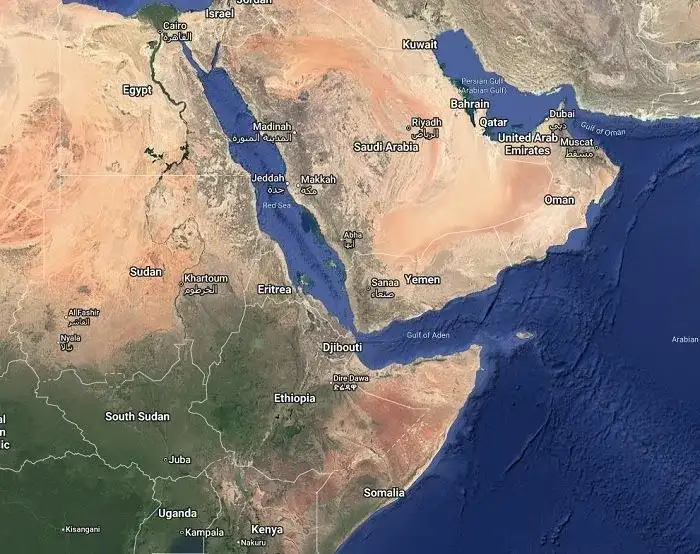
The Horn of Africa is a region of extraordinary potential and extraordinary complexity. It is home to ancient civilizations, young populations, vast markets, strategic waterways, rich agricultural lands and some of the world’s most important trade routes. Yet the Horn remains fragmented. Borders divide markets. Energy potential remains unevenly distributed.
Transport corridors stop at frontiers and insecurity in one country can quickly become a challenge for its neighbors.
At the center of this geography stands Ethiopia. With its population, economic potential, diplomatic history, strategic location and growing infrastructure, Ethiopia is not simply a country located in the Horn. It is increasingly positioned to connect the Horn. And that aspiration is no longer only rhetoric. It is increasingly being expressed through roads, railways, electricity grids, agricultural transformation, logistics networks, digital infrastructure and regional diplomacy.
For decades, Ethiopia has played a significant role in African and international peace and security. Its armed forces have participated extensively in United Nations peacekeeping operations, while Ethiopia has also contributed to regional security initiatives and African Union-led efforts. In a region where terrorism, violent extremism, organized crime, political instability and cross-border insecurity do not respect national boundaries, security cooperation cannot stop at the border.
For Ethiopia, therefore, regional stability is closely connected to national stability. A peaceful Horn means safer borders, stronger trade, greater investment and a more predictable environment for development. But Ethiopia's regional role cannot be defined by security alone. Currently, Ethiopia is landlocked. But being landlocked does not have to mean being disconnected. The country's geography, places it at the intersection of several major corridors linking the interior of the continent with the Red Sea and the wider global economy.
The Addis Ababa–Djibouti corridor demonstrates this reality. For years, it has served as the principal artery for Ethiopia's international trade while simultaneously contributing to Djibouti's role as a regional logistics hub. Railways, roads and dry ports are turning distance into connection. Cross-border electricity transmission with neighboring countries, including Djibouti, Kenya and South Sudan demonstrates how energy can become a platform for regional economic cooperation where one country's resource can become another country's opportunity. Reliable and affordable electricity can support industries, businesses, digital services and households across borders. Energy connectivity can therefore become economic connectivity and economic connectivity can create stronger incentives for peace.
Ethiopia's agricultural transformation can also have a regional dimension. A more productive Ethiopian agricultural system can supply domestic industry, create agro-processing opportunities and potentially contribute to regional food markets. The Horn is home to hundreds of millions of people, yet national economies remain separated by borders, infrastructure gaps and regulatory barriers. Ethiopia's aspiration is increasingly linked to overcoming some of these barriers.
Its expanding transport networks, industrial parks, logistics facilities, digital infrastructure and regional trade initiatives can help create stronger economic links with neighboring countries. But connectivity must work in both directions. Ethiopia needs access to ports and international markets. Its neighbors need access to Ethiopia's large consumer market, energy potential, investment opportunities and transport networks. That creates a relationship based not simply on geography, but on mutual economic interest.
The Horn carries deep political tensions, security challenges, infrastructure deficits and competing national interests. Connectivity itself requires trust, investment, predictable rules and cooperation among sovereign states. But geography has already created the opportunity. The task is to turn geography into connectivity, connectivity into commerce, and commerce into shared prosperity. Ethiopia's aspiration is increasingly clear not simply to be at the center of the Horn, but to help connect it. Futures of the Horn depend not only on where its countries are located but on how well they connect for better destiny.